Category: Buying Domains

  • How to Negotiate Domain Prices Like a Pro and Save Thousands

    How to Negotiate Domain Prices Like a Pro and Save Thousands

    Buying a domain name shouldn’t feel like throwing money into a black hole. Yet thousands of entrepreneurs overpay every single day because they don’t know how to negotiate domain name price properly. The good news? Domain sellers expect negotiation. The price you see first is rarely the final number.

    Key Takeaway

    Domain negotiation combines research, patience, and strategic communication. Start by valuing domains using comparable sales data, then contact sellers anonymously with reasonable offers. Avoid revealing your budget, never make the first offer, and always use escrow services. Most premium domains sell for 40 to 60 percent below the asking price when negotiated properly. Master these techniques to save thousands on your next domain purchase.

    Understanding Domain Pricing Before You Start Talking Numbers

    Domain prices aren’t pulled from thin air. Sellers consider keyword value, domain length, extension type, and comparable sales. A three-letter .com will cost more than a seven-word .xyz domain. That’s just reality.

    But here’s what most buyers miss: the asking price is a starting point, not a final demand. Sellers list domains high because they know negotiation is coming. They build in room to drop the price and still walk away happy.

    Before you reach out to any seller, spend time researching what similar domains actually sold for. Not what they’re listed for. What they closed at. Big difference.

    Check platforms like NameBio or DNJournal for historical sales data. Look for domains with similar length, extension, and keyword strength. If comparable domains sold for ₹50,000 to ₹1,00,000, you know the ballpark.

    Your research gives you power. You can reference actual market data during negotiation instead of guessing.

    Finding the Domain Owner Without Tipping Your Hand

    How to Negotiate Domain Prices Like a Pro and Save Thousands - Illustration 1

    You can’t negotiate if you can’t find the seller. Start with a WHOIS lookup to see registration details. Many owners hide behind privacy protection, which means you’ll see a proxy email instead of personal details.

    Send your first message to that proxy email. Keep it simple. Don’t reveal your company name or why you need the domain. Use a generic Gmail account if possible.

    Here’s why anonymity matters: if a seller knows you’re a funded startup or established business, they’ll assume you have deep pockets. Prices mysteriously climb.

    Some domain owners list contact forms on parked pages. Others use marketplace profiles on platforms like Sedo, Afternic, or Flippa. Each channel works, but email gives you more control over the conversation.

    If you hit a wall, consider hiring a domain broker. They work on commission but bring expertise and existing seller relationships. Brokers can often get better prices because they negotiate daily.

    Crafting Your Opening Message That Gets Responses

    Your first email sets the tone for everything that follows. Make it professional but not desperate. Friendly but not too casual.

    Here’s a template structure that works:

    Subject line: Interest in [DomainName.com]

    Body:
    Hello,

    I came across your domain [DomainName.com] and wanted to see if you’d consider selling it. I’m working on a project that could be a good fit.

    Would you be open to discussing a potential sale? If so, what price range are you considering?

    Thanks for your time.

    Notice what this message doesn’t do. It doesn’t explain your business model. It doesn’t mention funding. It doesn’t beg. It simply expresses interest and asks if they’re willing to sell.

    Many sellers won’t respond to the first email. Send a polite follow-up after five to seven days. Then one more after another week. After three attempts with no response, move on.

    Strategic Approaches That Lower Prices Before You Even Offer

    How to Negotiate Domain Prices Like a Pro and Save Thousands - Illustration 2

    Smart negotiation starts before money gets mentioned. Use these psychological techniques to shift the conversation in your favor:

    • Never show urgency. Sellers charge more when they sense time pressure. Even if you need the domain yesterday, act like you have other options.
    • Ask questions instead of making statements. “What’s the lowest price you’d accept?” puts them in a position to reveal their bottom line.
    • Mention your budget constraints early. Not the exact number, but the fact that you’re working within limits. This sets expectations.
    • Reference comparable sales. “I noticed [SimilarDomain.com] sold for ₹75,000 last month” gives you objective anchoring.

    Here’s a comparison table showing what works versus what kills deals:

    Effective Approach Deal Killer
    “I have a limited budget for domain acquisition” “Money is no object, I need this domain”
    “Would you consider an offer around ₹50,000?” “I’ll pay whatever you’re asking”
    “I’m evaluating a few domain options” “This is the only domain that works for us”
    “Can we discuss a payment plan?” “I need to close this today”
    Taking 24 hours to respond Responding within minutes

    Patience is your weapon. Sellers get nervous when buyers don’t seem desperate. That nervousness often translates to price flexibility.

    Making Your First Offer Without Leaving Money on the Table

    Let the seller name their price first whenever possible. This gives you critical information about their expectations and flexibility.

    If they insist you make the first move, start at 30 to 40 percent of their asking price. Yes, that low. You can always go up, but you can’t go back down.

    Here’s how a real negotiation might unfold:

    1. Seller asks ₹5,00,000 for a premium .com domain
    2. You counter with ₹1,50,000 and reference comparable sales
    3. Seller drops to ₹4,00,000
    4. You increase to ₹2,00,000 and mention budget constraints
    5. Seller counters at ₹3,00,000
    6. You offer ₹2,50,000 as your “absolute maximum”
    7. Seller accepts or meets you at ₹2,75,000

    Notice the pattern. Each move is calculated. You’re not jumping from ₹1,50,000 straight to ₹4,00,000. Small increments signal you’re near your limit.

    “The best domain negotiations happen when both parties feel like they won. You got the domain below asking price. The seller got more than they expected to receive. That’s the sweet spot.” — Domain investor with 15 years of transaction experience

    Alternative Negotiation Tactics That Create Value Beyond Price

    Sometimes sellers won’t budge on price. That’s when you shift to non-monetary terms that still save you money.

    Payment plans: Offer to pay in installments over six or twelve months. Many sellers prefer guaranteed monthly income over waiting for a single buyer with full cash. You get the domain now without the immediate financial hit.

    Revenue sharing: Propose a lower upfront payment plus a small percentage of revenue for two to three years. This works especially well for domains the seller has emotional attachment to.

    Domain swaps: If you own domains the seller might want, propose a trade plus cash. This reduces the actual money changing hands.

    Faster closing: Offer to complete the transaction within 48 hours using escrow. Speed has value. Sellers appreciate buyers who don’t waste time.

    Testimonials or promotion: Offer to feature the seller’s domain portfolio on your site or social media. Exposure can be worth thousands to active domain investors.

    These creative approaches work because they address seller motivations beyond just getting the highest price. Some sellers want passive income. Others want quick sales. Some want recognition in the domain community.

    Protecting Yourself From Scams and Domain Hijacking

    Domain fraud is real. Protect yourself at every stage of negotiation.

    Red flags to watch for:

    • Seller asks for payment outside escrow services
    • Domain registration details don’t match seller claims
    • Pressure to close immediately without proper verification
    • Requests for personal financial information beyond what’s needed for transfer
    • Seller claims multiple other buyers are interested (classic pressure tactic)

    Always use established escrow services like Escrow.com or Sedo’s built-in escrow. These platforms hold your payment until the domain transfers to your registrar account. Only then does the seller get paid.

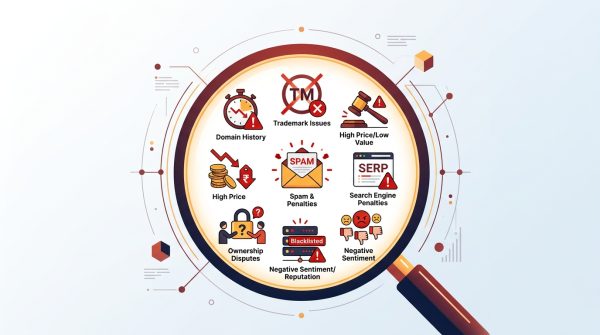
    Verify the domain is unlocked and doesn’t have any liens or legal disputes. Check the domain’s history using tools like the Wayback Machine. Some domains have toxic backlink profiles or were used for spam, which can hurt your SEO later.

    Never send money via wire transfer, cryptocurrency, or payment apps to individual sellers. These methods offer zero buyer protection.

    Closing the Deal and Transferring Ownership Safely

    You’ve agreed on a price. Now comes the technical part.

    Standard domain transfer process:

    1. Buyer and seller agree to use escrow service
    2. Buyer deposits funds into escrow account
    3. Seller unlocks domain and provides authorization code
    4. Buyer initiates transfer at their registrar
    5. Transfer completes (usually 5 to 7 days)
    6. Buyer confirms receipt of domain
    7. Escrow releases payment to seller

    Each step protects both parties. The seller doesn’t give up the domain until money is secured. The buyer doesn’t pay until they control the domain.

    Budget for transfer fees and renewal costs. Most registrars charge ₹500 to ₹1,500 for incoming transfers. The domain will also renew for one year as part of the transfer, so factor that into your total cost.

    Get everything in writing. Save all email correspondence. Document the agreed price, payment terms, and transfer timeline. This protects you if disputes arise later.

    Common Mistakes That Cost Buyers Thousands

    Even experienced entrepreneurs make these negotiation errors:

    Revealing your company name too early. A simple Google search can show your funding status, making sellers less flexible on price.

    Making emotional appeals. “This domain is my dream” doesn’t lower prices. Business rationale works better than personal stories.

    Accepting the first counteroffer. If a seller drops from ₹5,00,000 to ₹3,50,000 immediately, they’ll go lower. Keep negotiating.

    Ignoring domain age and SEO value. Older domains with clean backlink profiles are worth more than new registrations. Factor this into your valuation.

    Skipping the research phase. Without comparable sales data, you’re negotiating blind. Spend the time upfront to understand market rates.

    Using your business email. Create a separate email account for domain negotiations to maintain anonymity and leverage.

    When to Walk Away From a Domain Deal

    Not every negotiation ends in purchase. Sometimes the smart move is walking away.

    Walk away if:

    • The seller won’t negotiate at all and the price exceeds market value by more than 50 percent
    • You discover legal issues or trademark conflicts with the domain
    • The seller exhibits unprofessional behavior or makes you uncomfortable
    • Your research shows the domain won’t deliver ROI at the asking price
    • Alternative domains become available that better fit your budget

    Remember that thousands of domains become available every day. Missing one deal isn’t the end of your business. Overpaying by ₹2,00,000 because you felt pressured is much worse.

    Have backup domain options ready before you start negotiating. This gives you genuine alternatives and reduces attachment to any single domain.

    Timing Your Negotiation for Maximum Leverage

    When you negotiate matters almost as much as how you negotiate.

    Best times to negotiate domains:

    • End of month or quarter: Domain investors often have sales targets and may accept lower offers to hit numbers
    • After a domain sits unsold for months: Check listing dates on marketplaces. Domains listed for six months or more signal seller frustration
    • During economic downturns: Domain prices generally soften when businesses cut marketing budgets
    • Holiday periods: Many sellers want to close deals before year-end for tax purposes

    Worst times to negotiate:

    • Right after a seller lists a domain (they’re still optimistic about getting full price)
    • When industry news makes your niche suddenly hot (sellers will hold out for premium prices)
    • During your own product launch countdown (sellers can sense your urgency)

    Patience gives you power. If you can afford to wait three to six months, you’ll often get better terms than buyers who need immediate transfer.

    Building Long-Term Relationships With Domain Sellers

    The domain industry is smaller than you think. The same sellers and brokers appear repeatedly. Treating people well pays dividends.

    If you negotiate fairly and close deals professionally, sellers remember you. They’ll reach out when new domains become available. They’ll give you first look at premium inventory before public listing.

    Even if you can’t reach an agreement, end conversations politely. “Thanks for your time. I’ll keep your contact info in case my budget increases” leaves the door open.

    Some of the best domain deals happen months after initial contact. A seller who rejected your ₹1,50,000 offer might accept it six months later when they need cash or get tired of renewal fees.

    Build a reputation as someone who negotiates hard but fair, pays promptly, and doesn’t waste time. That reputation becomes an asset in future negotiations.

    Making Every Rupee Count in Your Domain Investment

    Domain negotiation isn’t about being cheap. It’s about being smart with your capital. Every rupee you save on domain acquisition can fund marketing, product development, or hiring.

    The techniques in this guide work because they’re based on how domain markets actually function. Sellers expect negotiation. Prices have flexibility built in. Research and patience trump desperation every time.

    Start your next domain negotiation with confidence. Do your research. Maintain anonymity. Make strategic offers. Use escrow. And remember that the best deal is one where both parties walk away satisfied.

    Your perfect domain is out there, and you don’t need to overpay to get it.