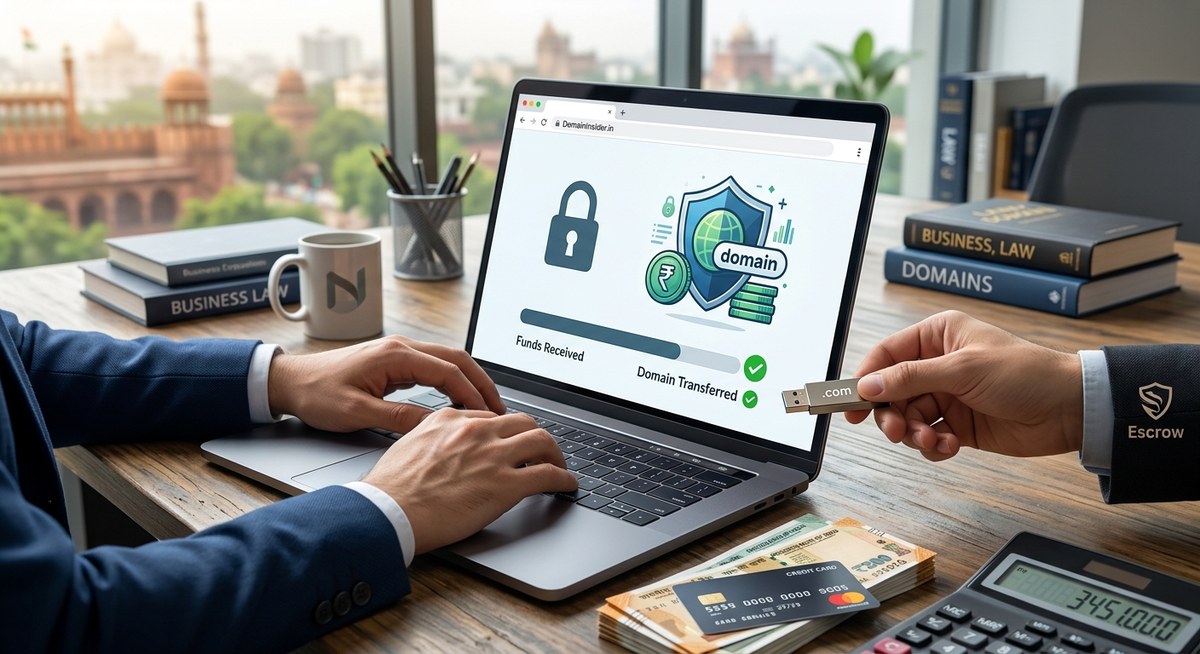
Looking to buy a domain online but worried about losing your money or ending up with a scam? You’re not alone. Many small business owners and individuals face challenges when purchasing domains from unknown sellers. Using an escrow service can make all the difference. It acts as a trusted middleman, ensuring that both buyer and seller meet their obligations safely. This guide walks you through the essentials of domain escrow, how it works, and tips to protect yourself during transactions.
A domain escrow guide helps you understand how escrow services protect your funds and ensure a smooth domain transfer. Using escrow reduces risks, builds trust, and guarantees [secure transactions](https://www.ncbi.nlm.nih.gov/pmc/articles/PMC7114864/), especially for first-time buyers or high-value deals.
Why Using an Escrow Service Is Vital for Domain Transactions
Buying a domain online involves risks. A seller might take your money and disappear, or you might receive a domain that isn’t what was promised. An escrow service acts as a neutral third party that holds your payment until all conditions of the deal are satisfied. Only then does the service release the funds to the seller. This process provides a layer of security that protects both buyers and sellers.
For small business owners looking to establish a strong online presence, securing the right domain is crucial. Using a trustworthy escrow guide helps you avoid common pitfalls like scam sites, unverified sellers, or incomplete transfers. It also builds confidence when engaging with unfamiliar individuals or companies, especially in international transactions.
How Domain Escrow Works: Step-by-Step Process
Understanding the practical steps involved in a domain escrow transaction can make the process less intimidating. Here are the key stages:
1. Initiate the Transaction
Start by selecting a reputable escrow provider. Popular options include platforms like Escrow.com or DomainTools. Contact the seller and agree on the domain price, transfer method, and escrow fee. Once both parties agree, you initiate the escrow process through the chosen service.
2. Payment and Holding
The buyer deposits the agreed amount into the escrow account. The service confirms receipt and holds the funds securely. This assures the seller that the buyer is serious and capable of completing the payment.
3. Domain Transfer
After confirmation of the escrow deposit, the seller proceeds to transfer the domain to the buyer. This usually involves unlocking the domain and providing the transfer authorization code (EPP code). The escrow service monitors the transfer process to ensure it completes successfully.
4. Final Release of Funds
Once the buyer receives and verifies the domain, they notify the escrow provider. The service then releases the funds to the seller. Both parties are protected throughout, as the escrow service acts as an impartial intermediary.
5. Post-Transaction Follow-Up
Some escrow platforms offer additional services like domain ownership verification or dispute resolution. Keep all transaction records for future reference.
Best Practices for a Safe Domain Purchase
To make your domain escrow experience smooth, follow these tips:
- Choose a reputable escrow service with positive reviews and industry accreditation.
- Verify the seller’s identity and reputation before initiating the transaction.
- Use secure communication channels and avoid sharing sensitive information outside the escrow platform.
- Ensure the domain transfer is complete before releasing funds.
- Read and understand the terms and conditions of the escrow agreement thoroughly.
- Keep records of all communications and transaction details.
Common Mistakes to Avoid in Domain Escrow Deals
| Mistake | Explanation | How to Avoid |
|---|---|---|
| Skipping escrow | Paying directly without escrow increases risk of fraud | Always use a trusted escrow service for high-value or unfamiliar deals |
| Not verifying domain ownership | Buying domains without proof of ownership can lead to scams | Request a domain ownership verification and check the domain’s history |
| Rushing the transfer | Transferring funds before confirming domain transfer | Wait until the domain is successfully transferred and verified |
| Ignoring escrow fees | Overlooking escrow costs can lead to unexpected expenses | Clarify fees beforehand and factor them into your budget |
| Not reading terms carefully | Missing important clauses may affect your rights | Review all terms and ask questions if unclear |
“Always treat domain transactions like any significant financial deal. Using escrow services is the safest way to prevent fraud and ensure your money is protected.”
Techniques to Ensure a Smooth Transaction
- Use multi-factor verification for domain ownership, such as WHOIS records and transfer confirmations.
- Opt for escrow services offering dispute resolution, which can save time and money if disagreements arise.
- Conduct due diligence on the seller by checking reviews and previous transaction history.
- Avoid making full payments upfront for unfamiliar or high-value domains.
- Set clear milestones with the seller, such as domain transfer completion and payment release.
Common Pitfalls in Domain Escrow and How to Spot Them
| Technique | Mistake | How to Spot It | Example |
|---|---|---|---|
| Using unknown escrow providers | Fraudulent or unreliable platforms | Check for industry recognition, reviews, and licensing | Escrow service without proper accreditation |
| Rushing transfer without verification | Incomplete or fake transfer | Confirm transfer via WHOIS or registrar tools | Domain status unchanged after transfer attempt |
| Not verifying domain history | Buying stolen or expired domains | Use tools like DomainTools or Whois lookup | Domain shows suspicious ownership history |
| Ignoring escrow fee transparency | Hidden costs | Get a detailed fee schedule upfront | Unexpected extra charges after transaction |
Expert Insights on Secure Domain Transactions
“The key to a successful domain purchase is trust and verification. Always select established escrow services and thoroughly verify domain ownership before releasing your payment.” – Domain industry veteran
Final Tips for Safe Domain Buying in India
- Stick to well-known escrow platforms like Escrow.com or GoDaddy escrow options.
- Always verify domain ownership through reliable WHOIS lookups.
- Be cautious of deals that seem too good to be true or sellers with limited reputation.
- Keep records of every step, including transfer confirmations and payment receipts.
- For high-value domains, consider engaging professional brokers who have established escrow arrangements.
Making Your Domain Purchase a Secure Investment
Choosing a domain is a significant step toward establishing or expanding your online presence. Protect your investment by understanding how a domain escrow guide simplifies and secures the process. When you follow best practices and utilize trustworthy escrow services, you reduce risks and ensure a seamless transfer. Remember, patience and due diligence are your best allies in the digital marketplace.
Trust and transparency in domain transactions
Applying these methods will help you navigate domain deals confidently. Whether you’re buying a domain for a new startup or expanding your digital assets, secure transactions build a strong foundation for your online success. Take the time to learn the process and choose the right services. Your future online presence depends on it.
