
Finding out what your domain is actually worth can feel like guessing lottery numbers. You might think your premium brandable .com is worth lakhs, but buyers offer thousands. Or you list a keyword domain too low and watch it flip for 10x profit the next month. Getting the valuation right matters whether you’re selling your first domain or managing a portfolio of hundreds.
[Domain name](https://en.wikipedia.org/wiki/Domain_name) value checker tools provide automated estimates based on length, keywords, extension, and sales history. However, accurate appraisal requires combining multiple tools, analyzing comparable sales data, understanding market trends, and sometimes consulting professional appraisers. No single tool gives perfect valuations, but using several methods together helps you price domains realistically for faster sales or smarter purchases.
Understanding how domain valuation actually works
Domain appraisal isn’t an exact science like pricing gold by weight. Two identical length domains with similar keywords can have vastly different values based on buyer perception, timing, and marketing effort.
Most automated tools use algorithms that consider measurable factors. Domain length matters because shorter is almost always better. A three letter .com will typically outvalue a 15 character equivalent. Extension plays a huge role too, with .com commanding premium prices over .net, .org, or newer TLDs.
Keyword strength drives commercial value. Domains containing high search volume terms like “insurance,” “loans,” or “travel” appraise higher than made up words. Search traffic potential translates directly into monetization opportunity for buyers.
Past sales data provides the closest thing to objective pricing. If similar domains sold recently for specific amounts, your domain likely falls in that range. Tools scrape public sale records from marketplaces, auctions, and reported transactions to build comparable datasets.
Age and history add credibility. Older domains with clean records and existing backlinks carry more weight than fresh registrations. A 15 year old domain with established traffic beats a brand new registration of the same name.
Automated appraisal tools you can use today
Several platforms offer instant domain valuations. Each uses different algorithms and data sources, which explains why estimates vary wildly between tools.
GoDaddy Domain Appraisal provides free estimates based on their massive sales database. They process millions of transactions yearly, giving them solid comparable data. The tool is simple but tends to be conservative with valuations.
Estibot has been around since 2008 and uses machine learning trained on historical sales. It provides detailed breakdowns showing how it calculated the estimate. Premium features require subscription, but basic appraisals are accessible.
NameBio focuses on sales data rather than algorithmic estimates. You can search their database of over 500,000 reported domain sales to find comparables yourself. This hands on approach often gives more realistic expectations than automated numbers.
FreeValuator offers instant appraisals without registration. The interface is straightforward and results include factors like keyword value and extension quality. Estimates tend toward the optimistic side.
DomainIndex provides valuations plus additional metrics like keyword difficulty and search volume. The extra context helps you understand why a domain might be valuable beyond just the appraisal number.
Here’s how different tools might value the same domain:
| Tool | Sample Domain: TravelIndia.com | Valuation Range |
|---|---|---|
| GoDaddy | High traffic keyword + .com | ₹2,50,000 to ₹5,00,000 |
| Estibot | Strong commercial intent | ₹3,75,000 to ₹7,50,000 |
| NameBio | Based on comparable sales | ₹4,00,000 to ₹6,00,000 |
| FreeValuator | Keyword + extension value | ₹5,00,000 to ₹10,00,000 |
The variation shows why you shouldn’t rely on one source alone.
Manual research beats algorithms for serious valuations
Automated tools give you a starting point, but real appraisal work requires detective skills.
Start by searching NameBio for domains containing your exact keywords. If you own “MumbaiHotels.com,” search for other city + hotels combinations that sold recently. Look at sale dates too because domain values fluctuate with market conditions.
Check active listings on marketplaces like Sedo, Afternic, and Dan.com. Sellers might be asking unrealistic prices, but you’ll see what competition exists. If 50 similar domains are listed at ₹50,000 and none are selling, the market is telling you something.
Examine the domain’s current use. Does it have a developed website? What’s the traffic volume? Tools like SimilarWeb or Ahrefs can estimate visitor numbers. A domain pulling 10,000 monthly visitors has concrete value beyond speculation.
The best domain appraisers I know spend more time researching comparable sales than running automated valuations. Algorithms can’t account for trends, buyer urgency, or the specific value a domain might have to one particular company.
Look at trademark issues carefully. A domain matching a registered trademark might seem valuable but could be legally risky. Buyers avoid potential legal headaches, which tanks value regardless of keywords.
Consider the buyer pool. Generic domains like “Shoes.com” appeal to thousands of potential buyers. Niche domains like “ChennaiWeddingPhotographers.com” have a smaller audience but might be extremely valuable to the right local business.
Step by step process for accurate appraisal
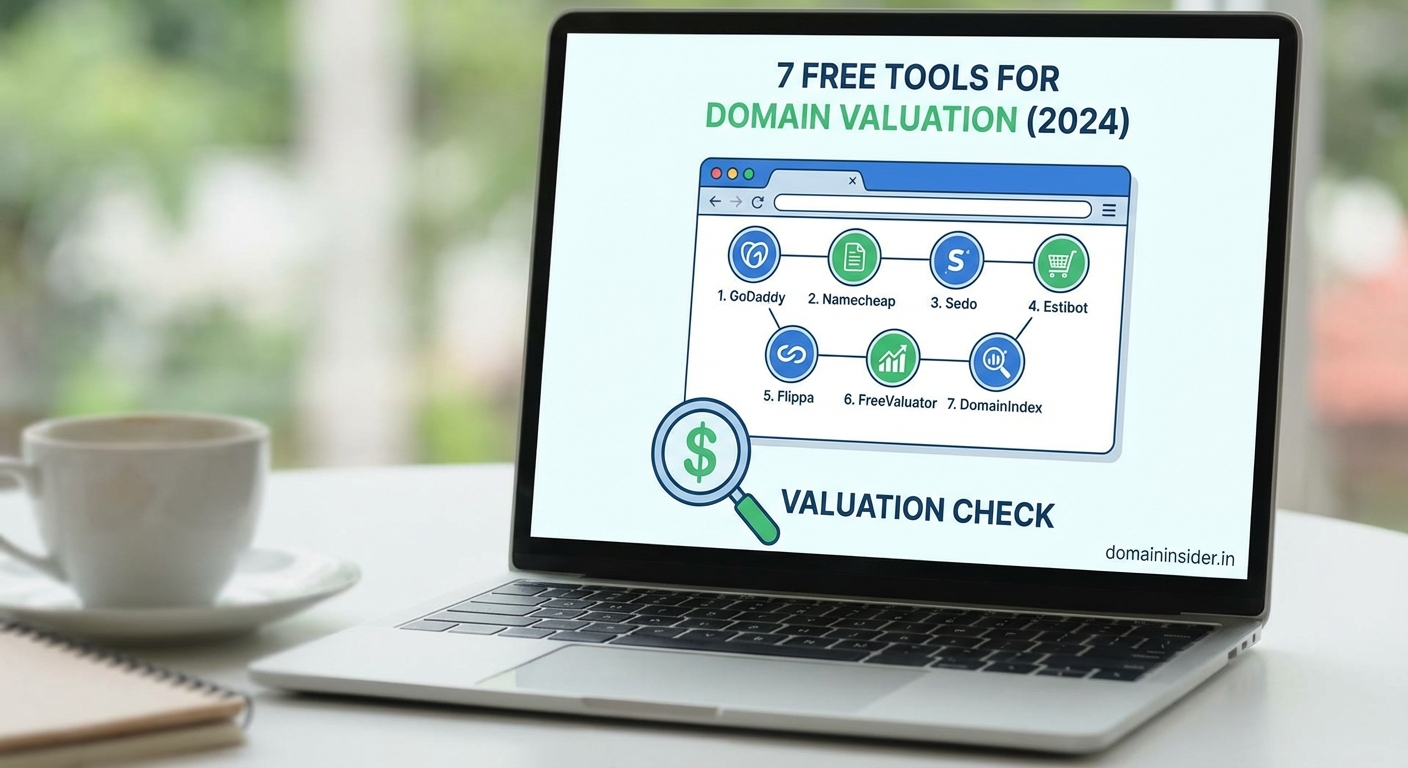
Follow this systematic approach when you need a reliable valuation:
- Run the domain through three different automated tools and record all estimates.
- Search NameBio for comparable sales in the past 12 months, focusing on similar length, keywords, and extensions.
- Check current marketplace listings to see asking prices for competitive domains.
- Analyze the domain’s metrics including age, backlink profile, existing traffic, and search volume for keywords.
- Adjust your estimate based on current market conditions, seasonal trends, and extension popularity.
- Consider getting a professional appraisal if the domain might be worth over ₹5,00,000 or if you’re making a major purchase decision.
Professional appraisers charge fees but provide detailed reports you can use in negotiations or legal situations. Services like AppraiseItNow or certified domain brokers offer this expertise.
Common valuation mistakes that cost money
Many domain investors and buyers make predictable errors that lead to bad pricing decisions.
Emotional attachment ruins objectivity. You might love your clever domain hack or personally meaningful name, but buyers only care about commercial value. Your attachment doesn’t add rupees to market price.
Ignoring extension reality leads to overvaluation. A .net or .org domain is almost never worth the same as the .com equivalent. Newer extensions like .io or .ai have niche value but don’t command .com premiums for most keywords.
Cherry picking comparables creates false confidence. If you only look at the highest sales and ignore the median, you’ll overprice. Most domains sell closer to the lower end of ranges than the exceptional high sales.
Forgetting holding costs matters for sellers. Domain renewals, marketplace fees, and opportunity cost add up. A domain that takes three years to sell at your target price might have been smarter to sell faster at 70% of that price.
Trusting single tool estimates without verification leads to surprises. Always cross reference multiple sources and methods.
| Mistake | Why It Happens | How to Avoid It |
|---|---|---|
| Overvaluing based on registration cost | Thinking money spent equals value | Research actual sales, not your investment |
| Using outdated comparables | Domain market changes yearly | Only use sales from past 12 to 18 months |
| Ignoring extension differences | Assuming all TLDs equal | Apply 60 to 80% discount for non .com |
| Skipping traffic analysis | Focusing only on keywords | Check actual visitor data when available |
| Forgetting trademark risks | Not researching brand conflicts | Search trademark databases before buying |
When professional appraisal makes sense
Most casual domain transactions don’t need paid appraisals. But certain situations justify the expense.
High value transactions over ₹10,00,000 warrant professional validation. The appraisal fee of ₹10,000 to ₹50,000 is small compared to the risk of overpaying or underpricing by lakhs.
Legal disputes involving domain ownership or trademark conflicts require certified appraisals. Courts and arbitration panels give more weight to professional reports than automated tool screenshots.
Portfolio sales benefit from bulk appraisal services. If you’re selling 50 or 100 domains together, a professional can provide package valuation that helps negotiate better deals.
Estate planning and asset division need documented values. Domains are intellectual property with real worth that should be properly valued for inheritance, divorce settlements, or business valuations.
Tax purposes sometimes require formal appraisals. If you’re donating domains to charity or claiming business losses, tax authorities want proper documentation beyond your best guess.
Factors that boost domain value beyond basics
Some elements increase worth that automated tools might miss.
Existing revenue transforms valuation completely. A domain earning ₹50,000 monthly through ads or affiliate links is worth multiples of its base domain value. Buyers will pay 12 to 36 times monthly revenue for proven income streams.
Developed content adds value if quality is high. A domain with 100 well written articles and established rankings has SEO value. However, low quality content can actually hurt value by looking spammy.
Social media handles matching the domain create bundle value. If you own the domain plus Instagram, Twitter, and Facebook handles, that’s worth more than the domain alone.
Exact match local search gives geographic domains premium value. “DelhiPlumbers.com” has specific value to service businesses in that market.
Brandability matters for startups. Invented words that are memorable, easy to spell, and distinctive command premiums even without keyword value. Think Spotify or Zillow style names.
Market timing affects what buyers will pay
Domain values aren’t static. Market conditions shift based on economic factors and industry trends.
During economic booms, domain prices rise as businesses invest in digital assets. Recession periods see values drop as marketing budgets tighten.
Industry specific trends create waves. When cryptocurrency surged, crypto related domains skyrocketed. When interest faded, values crashed. AI domains are hot now but might cool later.
Extension popularity cycles through phases. Country code TLDs like .io gained value with tech startups, then plateaued. New extensions launch with hype, then most fade while few gain traction.
Seasonal patterns exist too. Domains related to tax services peak in value before tax season. Travel domains might see more interest before holiday booking periods.
Pricing strategy for sellers
Once you know approximate value, setting the right asking price requires strategy.
List at 20 to 30% above your minimum acceptable price. This gives negotiation room while not scaring off serious buyers. A domain worth ₹2,00,000 might list at ₹2,60,000.
Consider tiered pricing across marketplaces. List higher on your own website where you control the narrative, and slightly lower on high traffic marketplaces where volume compensates for lower margins.
Use “Make Offer” options strategically. They encourage engagement but can attract lowball offers that waste time. For domains over ₹1,00,000, setting a minimum offer threshold filters out unrealistic buyers.
Be ready to justify your price. Prepare a simple document showing comparable sales, traffic stats if any, and keyword value. Serious buyers appreciate data backed pricing.
Time your sale if possible. Don’t desperately sell during market lows unless you need immediate cash. Patient sellers who can wait for the right buyer typically get better prices.
What your domain is really worth
Value ultimately comes down to what someone will actually pay, not what tools estimate or you hope for. The domain name value checker tools and methods covered here help you price realistically, but the market has final say.
Start with automated appraisals to get a rough range. Research comparable sales to ground your expectations in reality. Analyze your specific domain’s strengths and weaknesses honestly. Then set a price that attracts buyers while respecting your minimum acceptable return.
The best domain investors treat valuation as ongoing research, not a one time calculation. Markets change, trends shift, and new sales data constantly updates what domains are worth. Check your valuations periodically, especially before major buying or selling decisions.
Whether you’re protecting yourself from overpaying or ensuring you don’t leave money on the table when selling, taking time to properly assess domain value pays off in real rupees saved or earned.
